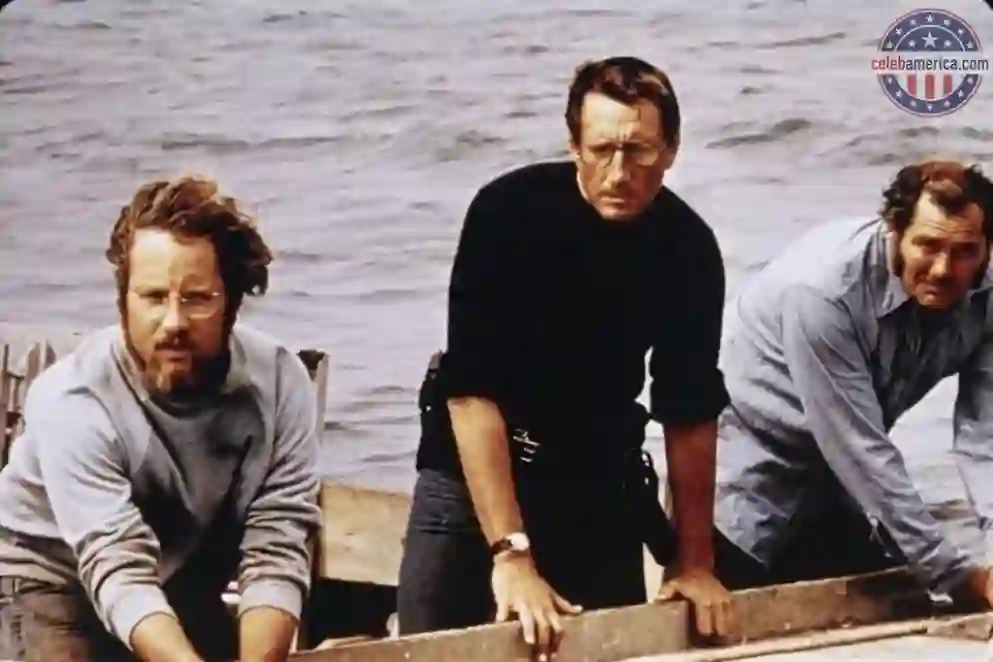
As of 2026, Richard Dreyfuss’s net worth is estimated to be between $1 million and $5 million. While Dreyfuss is one of the most celebrated leading men of the New Hollywood cinema era—starring in generation-defining blockbusters such as Jaws and Close Encounters of the Third Kind—his long-term financial trajectory is marked by sharp contrasts. Despite generating tens of millions in career gross earnings, substantial personal setbacks, costly divorces, protracted legal battles, and a multi-year pivot toward non-profit civic advocacy have left the Oscar-winning actor with a modest fortune compared to many of his contemporaries.
“Net-worth figures are estimates based on publicly available information and may not reflect private assets, liabilities, taxes, or undisclosed financial arrangements.”
Richard Dreyfuss: Quick Financial and Career Overview
| Category | Details & Public Records |
|---|---|
| Full Name | Richard Stephen Dreyfuss |
| Date of Birth | October 29, 1947 (Brooklyn, New York) |
| Estimated Net Worth (2026) | $1 Million – $5 Million |
| Major Blockbusters | American Graffiti (1973), Jaws (1975), Close Encounters of the Third Kind (1977) |
| Academy Awards | Best Actor Winner for The Goodbye Girl (1977); Nominee for Mr. Holland’s Opus (1995) |
| Key Physical Asset | Custom eco-friendly residence in Encinitas, California |
| Primary Advocacy | The Dreyfuss Civics Initiative (Founded 2006) |
1970s Stardom: Why Blockbusters Didn’t Create Generational Wealth
In the mid-1970s, Richard Dreyfuss was the undisputed center of American cinema. Following his breakthrough performance in George Lucas’s low-budget smash American Graffiti (1973), director Steven Spielberg cast him as marine biologist Matt Hooper in Jaws (1975), the release widely credited with inventing the modern summer blockbuster.
However, studio accounting and contract conventions of that era meant actors rarely reaped proportional backend windfalls:
- Flat Upfront Salaries: For American Graffiti, Dreyfuss worked for modest union-scale wages. Even on Jaws, which generated over $470 million worldwide, Dreyfuss received a fixed salary of approximately $500,000 without meaningful equity or gross-profit participation points.
- Historic Oscar Milestone: In 1978, Dreyfuss won the Academy Award for Best Actor for Neil Simon’s romantic comedy The Goodbye Girl (1977). At age 30, he became the youngest person to win the award at that time—a record he held for 25 years until Adrien Brody won in 2003.
- Peak Market Leverage: The Oscar win and Spielberg’s sci-fi epic Close Encounters of the Third Kind (1977) pushed his quote into top-tier studio brackets, but the 1970s lacked modern syndication packages and merchandise licensing that modern franchise stars enjoy.
The 1980s and 1990s: Studio Comeback and Peak Earnings
After stepping back in the early 1980s to overcome severe substance addiction following a 1982 car crash, Dreyfuss engineered one of the most successful career resurgences in Hollywood history. Entering a multi-picture association with Touchstone Pictures (Disney), he headlined a string of commercially lucrative comedies and dramas:
- Down and Out in Beverly Hills (1986)
- Stand by Me (1986) – Serving as the film’s iconic narrator and adult Gordie Lachance
- Stakeout (1987) and Tin Men (1987)
- Always (1989) – Reuniting with Steven Spielberg
- What About Bob? (1991) – Starring opposite Bill Murray
- Mr. Holland’s Opus (1995) – Earning his second Academy Award nomination for Best Actor
During this decade-long peak, Dreyfuss commanded standard studio leading-man salaries ranging between $2 million and $5 million per feature. Across this era, his gross career earnings exceeded an estimated $40 million to $50 million before taxes and commissions.
Financial Setbacks: “Made 50 and Lost 55”
Despite his commercial achievements, Dreyfuss has been candid regarding his financial volatility. In a revealing CBS News interview with Turner Classic Movies, Dreyfuss humorously reflected on his personal finances, quipping that he was the guy who “made 50 and lost 55.”
Several major factors drained his historical earnings over the decades:
1. High Marginal Taxes and Representation Commissions
As a working actor primarily domiciled in California, Dreyfuss routinely faced combined federal, state, and local income taxes near 50%. Standard entertainment industry commissions—covering talent agents, managers, and entertainment attorneys—absorbed another 15% to 20% of his gross compensation.
2. Two Marital Divorces
Dreyfuss has gone through two costly divorces. His first marriage to writer-producer Jeramie Rain (1983–1995), with whom he shares three children, ended in a substantial division of marital assets alongside sustained alimony and child support obligations. His second marriage to Janelle Lacey (1999–2005) also concluded in divorce, further dividing accumulated capital.
3. Siphoned Real Estate Investments and Family Lawsuits
In 1984, Dreyfuss loaned $870,000 to his father, Norman Dreyfuss, and his uncle, Gilbert Dreyfuss, to help acquire and maintain a 13-story commercial property at 311 S. Spring Street in downtown Los Angeles. According to reporting by Courthouse News, the arrangement deteriorated into bitter litigation. In 2008 and 2012, Richard filed lawsuits against his father and uncle alleging breach of contract, unpaid debts, and failure to provide an accounting of his claimed 29% partnership stake.
4. Studio Accounting Audits
In April 2015, Dreyfuss initiated legal action against The Walt Disney Company regarding profit participation for What About Bob?. As reported by The Guardian, the lawsuit challenged studio accounting restrictions that prevented profit participants from using specialized independent auditing firms to examine backend box-office receipts and home-video revenues.
The Oxford Hiatus and The Dreyfuss Civics Initiative
Unlike actors who continued chasing high-paying studio franchise roles into their sixties, Dreyfuss chose to redirect his time and personal wealth toward civic reform. Between 2004 and 2008, he largely stepped back from Hollywood to serve as a Senior Research Associate at St. Antony’s College, Oxford University.
In 2006, he founded The Dreyfuss Civics Initiative, a 501(c)(3) non-profit organization dedicated to reviving comprehensive civics education in American public schools. Rather than taking high-paying corporate roles, Dreyfuss invested personal capital, traveled extensively for speaking engagements, and published his 2022 educational book, One Thought Scares Me…, keeping his primary focus on civic literacy rather than commercial accumulation.
Current Assets: Real Estate and Residual Income
Today, Dreyfuss lives a comfortable but private life in Southern California with his wife, Svetlana Erokhin, whom he married in 2006. His current wealth foundation is supported by several stable pillars:
- Encinitas Residential Real Estate: After selling his home in Carlsbad, California, in 2008, Dreyfuss acquired property in coastal Encinitas (San Diego County). He converted the residence into a widely publicized green living, eco-sustainable home, with modern property valuation estimates placing the asset in the $2.5 million to $3.5 million range.
- SAG-AFTRA Pension: With over 50 years of eligible union service, Dreyfuss draws a maximum-tier defined-benefit pension through SAG-AFTRA.
- Catalog Residuals: While backend participation was limited on his earliest hits, consistent union residuals from broadcast television, home video, and digital streaming continue to provide dependable baseline income.
- Public Appearances and Speaking: Dreyfuss continues to supplement his earnings through paid appearances at major film retrospectives, pop-culture conventions, and university lectures.
Frequently Asked Questions
What is Richard Dreyfuss’s net worth in 2026?
Richard Dreyfuss’s net worth in 2026 is estimated between $1 million and $5 million. The majority of his wealth is tied up in residential real estate in Southern California and his SAG-AFTRA retirement pension.
Did Richard Dreyfuss get rich from starring in Jaws?
No. While Jaws was a historic box-office hit that established his Hollywood stardom, Dreyfuss received a fixed salary of around $500,000 without backend profit percentages, meaning the studio and executive producers captured the vast majority of the film’s multi-million-dollar profits.
Why did Richard Dreyfuss sue his father and uncle?
In 2008 and 2012, Dreyfuss filed lawsuits in Los Angeles Superior Court against his father and uncle over an $870,000 loan he provided in 1984 to help acquire a downtown Los Angeles office building, alleging unpaid debts and refusal to grant him an accounting of profits.
What is The Dreyfuss Civics Initiative?
Founded by Dreyfuss in 2006, it is a non-profit educational initiative designed to promote and restore the teaching of American civics, critical thinking, and the Constitution in public elementary, middle, and high schools.